Basic Counseling Skills Everyone Can Learn and Use
You were looking for a FREE ON-LINE Basic Counseling Skills site where you can learn and use:
A. COUNSELING TECHNIQUES
B. COUNSELING THEORIES and how to integrate these into
C. COUNSELING PRACTICE through some SAMPLE SESSIONS and
D. SELF HELP and
E. CONTINUE YOUR EDUCATION too?!
There is so much useful information on every page of this website on Basic Counseling Skills that you may want to print it off, three-hole punch it, and put it in a large binder. This will make it easy to refer to and add to.
-------------------------------------------------------------------------------------------------
ABOUT THIS SITE
Basic Counseling Skills is geared to the needs of University and College Students, Health Care Practitioners, Volunteers, and New Counselors. But my hope is that EVERYONE – including Teachers and Professors, Department Managers, Volunteer Coordinators, and experienced Counselors - will find this a good refresher and will recommend it to others.
This site is set up to read like a book. There are six major sections - A. Techniques, B. Theories, C. Practice, D. Self-Help, and E. Continuing Education. Each section has eight to twelve chapters.
Below you will find a TABLE OF CONTENTS with a short description of each chapter that you can scroll down. Or you can simply click on any of the NavBar buttons on the left hand side to find the information you are seeking.
www.basic.counseling.skills.com is designed to be absolutely free. Therefore, wherever possible, when I have suggested readings or films, I have provided links to professional publications that are available on Google Books and You Tube.
This site is also set up to be enjoyable. You will find each section has a pictoral theme, and at the end of each chapter or web page (other than the home page) there is an entertaining picture. These were placed there simply to reward you for reading the information to the finish! And if you click on the pic, you will be returned to the top of the page you have been studying, and hopefully, practising.
I welcome your constructive suggestions. Contact me, Jan Carrie Steven MA RSW, at this link.
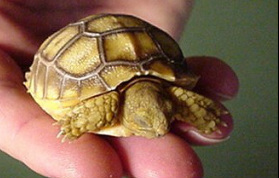
“A turtle travels only when it sticks its neck out.” – Korean Proverb
-------------------------------------------------------------------------------------------------
TABLE OF CONTENTS (parallels side bar on left hand side)
COUNSELING TECHNIQUES STEP ONE - Basic counseling techniques including active listening, body language, tone, asking questions, paraphrasing, summarizing, note taking, homework and THE GOODIE BAG!
|
Pattern of Sessions In counseling there is normally a familiar pattern of sessions - Introduction, Information Gathering, Discussion, Conclusion and Homework!
|
Active Listening Active listening happens when you "listen for meaning". The listener says very little but conveys empathy, acceptance and genuiness.
|
Body Language Developing encouraging body language can take some practice. Remember that communication is 55% body language, 38% tone and 7% words.
|
Asking Questions Asking questions - open and closed - is an important tool in the counseling kit. They can help a person open up or close them down.
|
Paraphrasing Paraphrasing is when you, the listener, restate succinctly and tentatively what the speaker said - conveying empathy, acceptance and genuineness.
|
Summary A summary, in counseling, is when you focus on the main points of a presentation or session in order to highlight them.
|
Note Taking Note taking is the practice of writing down pieces of information, often in a shorthand and messy manner.
|
Homework Homework in counseling is fun and informative work done outside of the session. It extends the length of the session and increases progress.
|
The Goodie Bag and Other Fun Stuff The goodie bag and other fun stuff help make a counseling session an occasion for joy, as well as understanding.
|
Technique References Counseling Technique References include the following textbooks which can also be partially accessed on Google Books, in accordance with having this site by free and on-line.
|
COUNSELING THEORIES STEP TWO - Common Counseling Theories such as Client Centered (Rogers), Holistic Health (Biopsychosocial), Strengths Based (Positive Thinking). Cognitive Behavioral, Solution Focussed and Existential.
|
Client Centered (Rogerian) In Client Centered (Rogerian) counseling, the counselor provides the growth-promoting climate and the client is then free and able to discover and grow as she / he wants and needs to.
|
Holistic Health (Biopsychosocial Model) Holistic Health or the Biopsychosocial Model posits that biological, psychological (thoughts, emotions, and behaviors), and social factors all play a significant role in human functioning.
|
Strengths Based Strengths Based Counseling focuses on what is going right in a person’s life. The counselor and client work together to find past and present successes and use these to address the challenges.
|
Cognitive Behavioral Therapy (ABC Model) Cognitive Behavioral Therapy (ABC Model) could be described as “as I think, so I feel (and do)!” Understanding it is as simple as A B C - Activing event, Beliefs about event, and Consequences.
|
Solution Focused Solution Focused Therapy or Brief Therapy focuses on what clients want to achieve through therapy, rather than on the problem(s) that made them seek help.
|
Existential Therapy Existential therapy or meaning therapy is concerned with helping us to get in touch with “the ultimate questions” such as "Why am I here?" and "What (if any) is the meaning of suffering?"
|
Letting Go Letting go can at times be difficult for counselors, just as with clients. It both sitations there is a need to acknowledge and then take on something new, to move forward.
|
Theory References Theory References in Counseling include the textbooks which can also be partially accessed on Google Books.
|
SAMPLE SESSIONS Step Three - These sample sessions are a way for you to see how Counseling Techniques and Counseling Theories come together in a meeting.
|
Client Centered Counseling Session One is Client Centered Counseling - a good opportunity to use your active listening, empathy, acceptance and genuineness.
|
Cancellation Session Two and Session Three are a "no-show" and a cancellation by the client. The counsellor needs to learn to not take it personally. It happens!
|
Strengths Based Counseling Session Four has examples of a Strengths Based Counseling or Positive Thinking / Learned Optimism approach. Watch for the exercise "The Ten Things I Like About Me."
|
Cognitive Behavioral Counseling Session Five highlights Cognitive Behavioral Counseling (challenging the lies we tell ourselves). Watch how 'direct' the counselor gets with her client.
|
Holistic Health Counseling Session Six investigates Holistic Health Counseling / Inventiory or the Biopsychosocial Model. This includes physical, social, emotional, spiritual, intellectual and vocational wellbeing.
|
Solution Focused Counseling In Session Seven Solution Focused Counseling is used to help Mary envision what her perfect world is, and how to get there.
|
Existential Counseling Session Eight explores Existential Counseling aka Logotherapy or Meaning Therapy. Themes include "Why am I here?" and "Why is there suffering?"
|
Becoming Unnecessary Becoming Unnecessary is part of the helping relationship for the counselor, but it isn't always easy.
|
SELF-HELP The term Self-Help normally refers to any practice whereby an individual or a group attempts self-guided improvement – physically, socially, emotionally, spiritually, economically, or intellectually
|
Journaling When you are sharing your thoughts and feeling by facebook, msn, text-messaging, emailing, etc – you are doing a form of journaling.
|
Mood Mapping In mood mapping you chart your moods for at least one week - identifying good, bad and indifferent moods. Then the task is to identify triggers and find solutions.
|
Whole Health In a whole health check-in we take into account that we have physical, intellectual, social, emotional, vocational and spiritual needs - the neglect of which reduces the ability to withstand stress.
|
Socio-Economic The Socio-Economic Well Being Inventory is a crucial component of the whole health check in.. These factors can enhance or demean our long-term well-being.
|
Know Your Community Resources It’s not enough to know what your Community Resources are, you need to participate in them. By “community resources” I mean those organizations and activities that are accessible to all.
|
Ten Things “The Ten Things I Like About Me” is a fun exercise where we practice positive self talk and build our self esteem.
|
People Lie / Common Lies According to Gregory House, MD on many occassions… “People lie.” Dr Albert Ellis documented the most common lies that we tell ourselves.
|
Goal-Setting You and I engage in goal-setting whether or not this is conscious. Unfortunately, unconscious goals can be self-defeating.
|
A Why to Bear a How A Why To Bear a How. Is there a way to live with dignity and purpose in a brutal and hopeless time.
|
Happy People To be one of the you need to pinpoint exactly what makes you happy and incorporate more of it into your life. This is true regardless of income, health, age and attractiveness.
|
Self-Help References Self-Help References include the following textbooks which can also be partially accessed on Google Books. For example, "Writing To Save Your Life" and "Where's God When It Hurts?"
|
CONTINUING EDUCATION Continuing education is not a burden. It helps you stay enthused about counseling theory and practise.
|
SITE MAP Having difficulty maneuvering your way around this site on Basic Counseling Skills? Don't worry. It reads like a book! Really!
|
CONTACT ME Contact me. I welcome constructive feedback about this site.
|

|